
The electromagnetic spectrum has emerged as a critical front line in modern warfare.
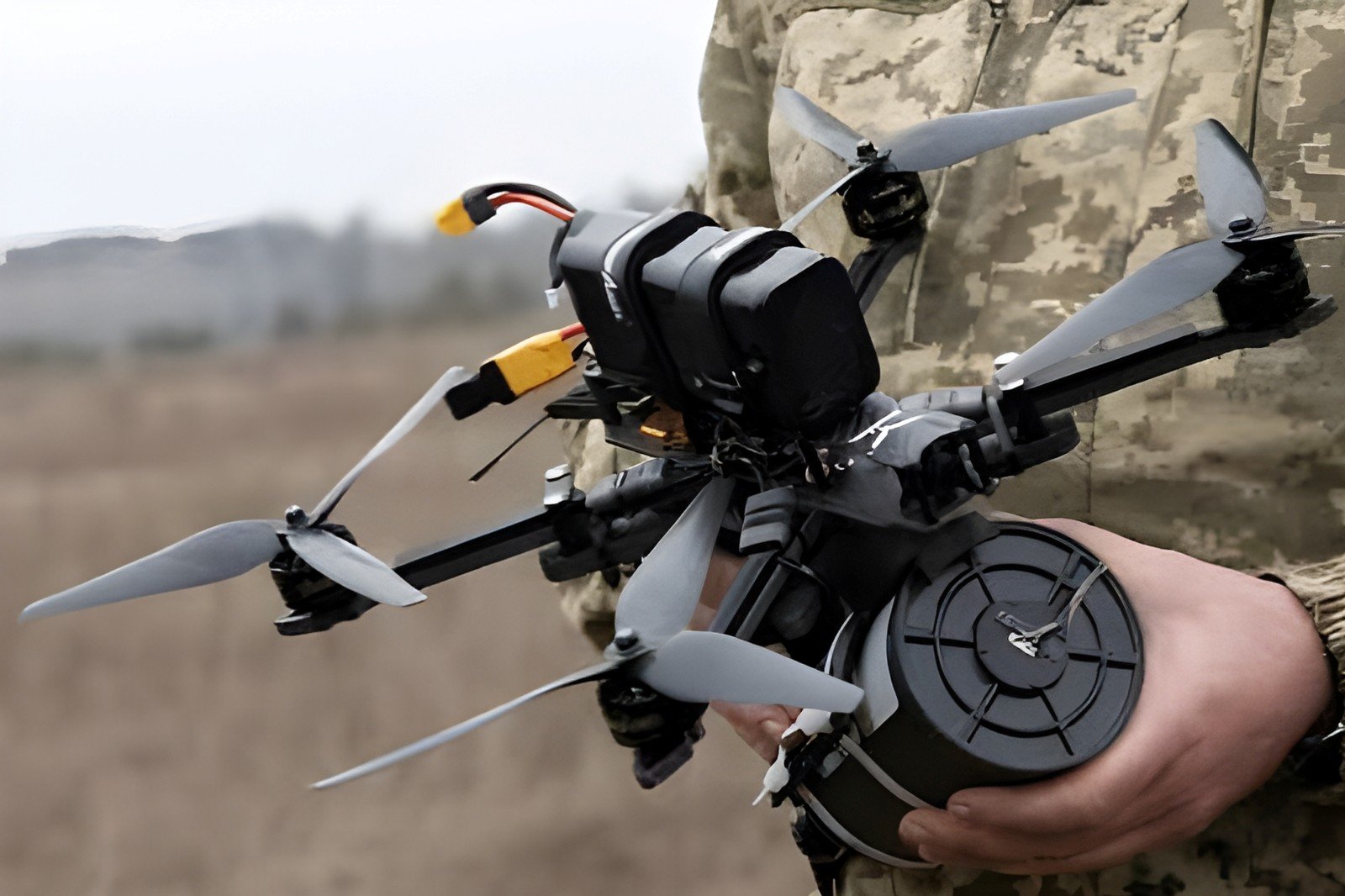
As Electronic Warfare (EW) evolves, traditional radio-controlled FPV drones are becoming increasingly vulnerable to sophisticated jamming. In modern conflict, connectivity is no longer a given - it is a primary target
The emergence of NDAA-compliant, fiber-optic drones signals a fundamental shift in UAS design.
By replacing RF signals with physical fiber-optic control, these platforms bypass the "electronic noise" of the modern battlefield entirely.
This isn't just an incremental update; it is a total removal of the radio signal from the equation to ensure precision and lethality in high-intensity environments.
At @Drone Secure, we view this transition as essential for the next generation of defense in the MENA region.
As we prepare for UMEX 2026, our focus remains clear: providing systems that don't just operate in contested spaces, but dominate them - regardless of spectrum interference.
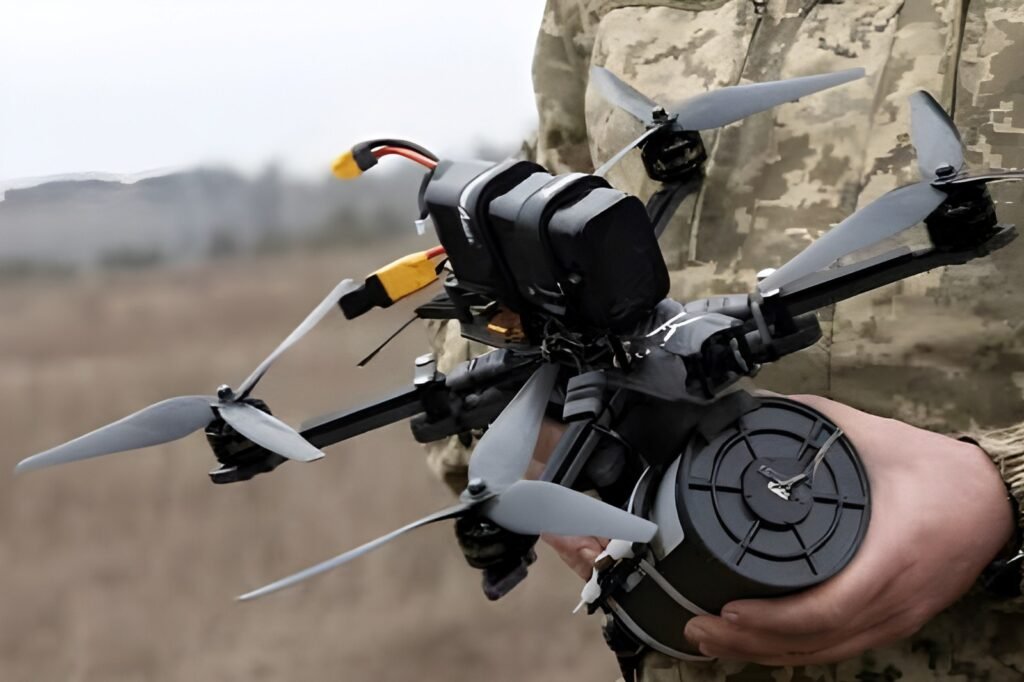
The shift toward fiber-optic, NDAA-compliant drones marks a decisive turning point in modern warfare one where control, resilience, and certainty replace vulnerability and assumption. By eliminating reliance on the electromagnetic spectrum, these systems redefine survivability and effectiveness in contested environments. In an era where the spectrum itself is weaponized, dominance will belong to platforms designed to operate beyond its reach. This evolution is not optional; it is foundational to future defense superiority.